Transforming Healthcare Education through AI-enabled Solutions
This session presents a pioneering approach to transforming training for nurses and midwives through AI-enabled medical devices and software, with game-changing implications for healthcare delivery, particularly in low- and middle-income countries (LMICs).
Traditional training methods for ultrasound take months, draining time and resources from already stretched health systems. By contrast, AI-powered solutions have condensed training to just a few days—without compromising diagnostic accuracy or quality of care. This breakthrough not only empowers healthcare providers but also ensures they remain active in service, reducing costly disruptions to health systems.
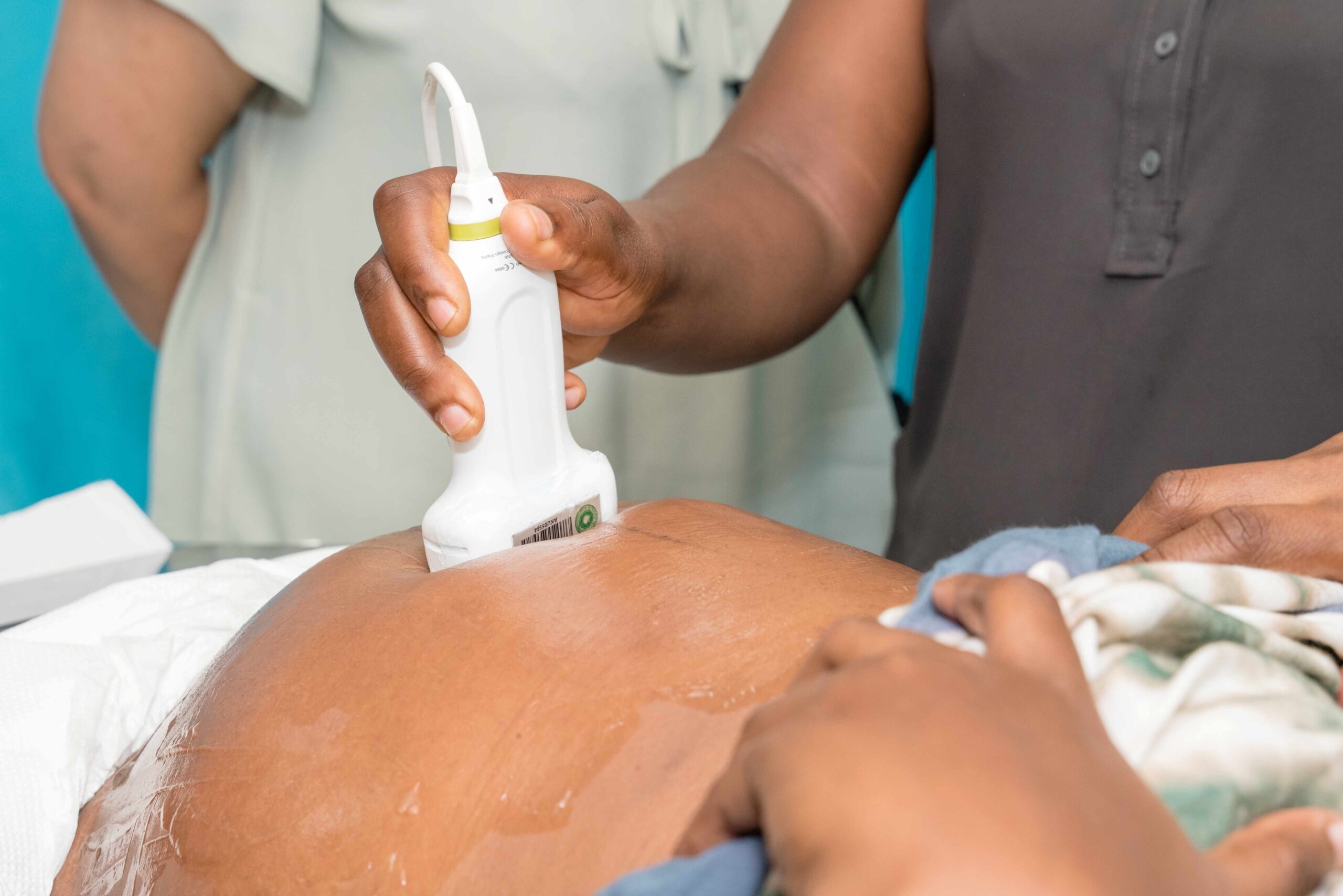
A central focus will be the integration of point-of-care ultrasound (POCUS) in antenatal care.
With monitoring for basic foetal well-being parameters, such as gestational age, foetal presentation, etc. is being recommended for every pregnant woman around the world, this session underscores the urgent need for standards and guidelines from health authorities to ensure the safe, effective, and equitable implementation of AI-enabled foetal monitoring scans.
By addressing traditional learning barriers, optimizing resources, and improving patient outcomes, this innovation represents a system-wide advancement in healthcare education and service delivery.
At the Science Summit, we invite collaboration to refine these solutions, shape policy frameworks, and collectively accelerate the adoption of transformative AI-driven training methods for sustainable global health.
Speakers:
- Dr. Nidhi Leekha, Assistant Professor and Consultant Radiologist
- Prof. Marleen Temmerman (Global Health Leader)
- Ari Moskowitz – Deputy Director, Devices and AI at Gates Foundation
- Matthew Rielly – Philips – Ultrasound Product Development
- Desta Lakew, Group Director of Partnerships and External Affairs, Amref Health Africa
- Her Excellency Toyin Ojora Saraki, President, The Wellbeing Foundation Africa (WBFA)